By clicking “Accept all", you agree to the storing of cookies on your device to enhance site navigation, analyze site usage, and assist in our marketing efforts. View our Privacy Policy for more information.





Business In Games
VFX & Animation
Technical Deepdives
Artificial Intelligence
Music Innovation
Open Source
Media Innovation
On Oct. 29, we’ll end the day with a great afterparty @ Kreun.
Access to the afterparty is included in your UNWRAP ticket.


.jpg)
Today, more than 20% of the games published on Steam say they use Artificial Intelligence in their development, and many signs suggest the real number is even higher. AI is already part of the creative and technical heartbeat of the industry, and its influence is impossible to overlook.
Still, beyond prototypes or small casual projects, one question keeps coming back: is AI truly making its way into professional production pipelines?

%20(1).png)
A down-to-earth conversation led by the teams behind Concept101 and CG101 - two free, community-led platforms supporting creatives in pre-production and production for animation, VFX, and games. Honest, practical tips on building a sustainable career: breaking in, staying motivated, overcoming burnout, and developing meaningful industry relationships beyond surface-level networking.
%20-%20CG%20101%20Conference.png)

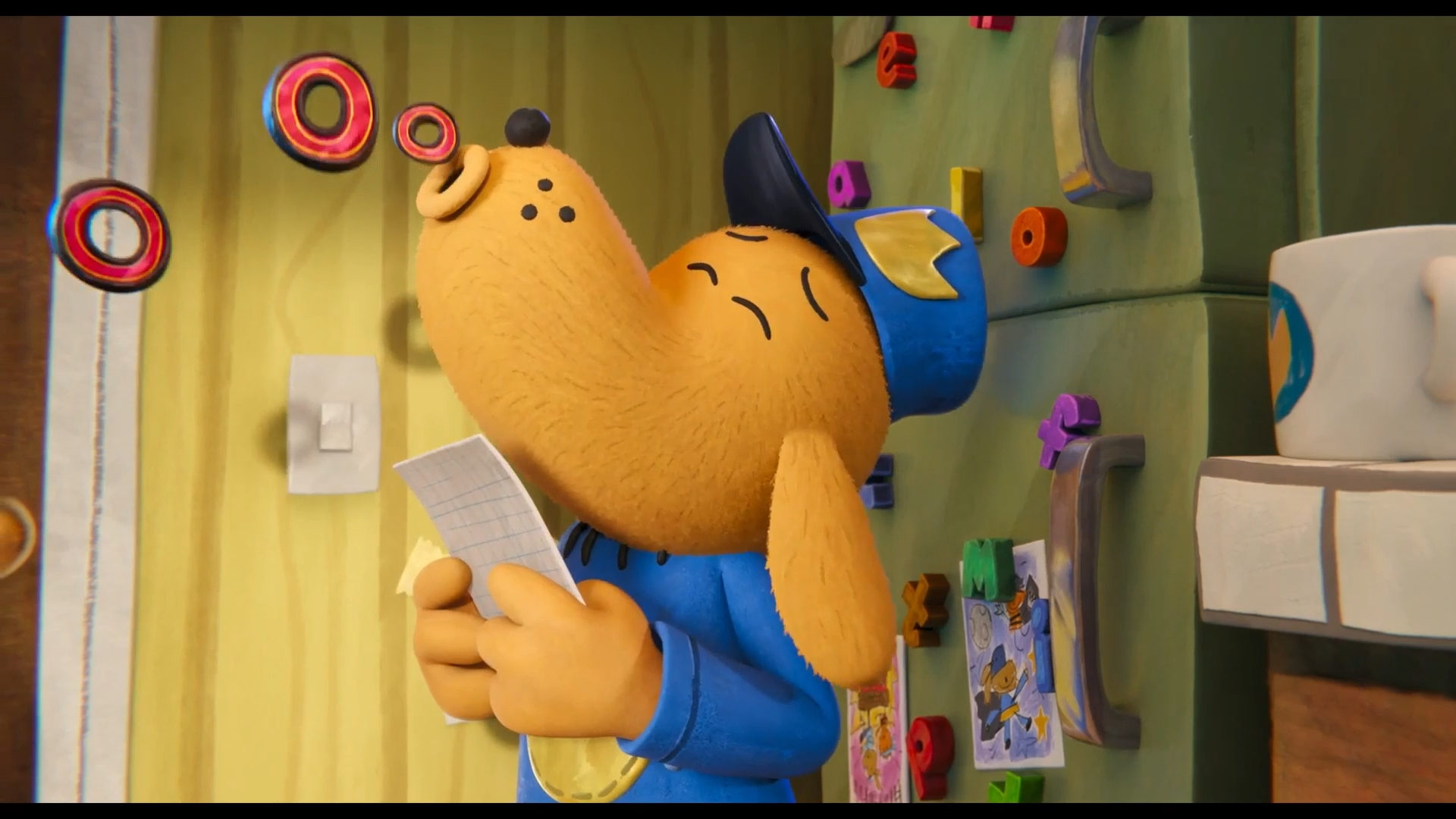
How do you design a distinctive 2D look within a 3D environment like on Spice Frontier? How do we build tools as we go with a very limited pipeline support? A guide through the thought processes behind the look of Spice Frontier and what to look out for when working with limited pipeline support on a small team.

.jpg)
Join this talk for a high-speed overview of the newest evolutions in the field of AI applied to games, film, and animation, and to learn which new technologies you should be on the lookout for.

.jpeg)
Three years after his last UNWRAP presentation on legal aspects of AI use for creatives, studios and publishers, Christoph examines how the landscape has changed: recent groundbreaking court cases reshaping contractual and compliance practices, and what the EU legislator has in store for the sector and the use of AI.

%20(1).jpg)
In the future of entertainment, creativity is the fuel, but money still makes the engine run. Amplo breaks down how to get paid smart, fast, and fairly - helping artists, freelancers, and creative minds turn their talent into a sustainable income without getting lost in the admin maze.

%20(1).png)
Cash Cleaner Simulator became an unexpected success on Steam last year. A dive into what made players fall in love with it - and where more could have been done better.


Together, Maria and Gianluca share how devs and marketers can work hand in hand in indie teams, drawing from AAA experience (including CD Projekt RED / The Witcher / Cyberpunk 2077) while being smart about indie-sized resources, based on their collaboration on The Spell Brigade (1M+ copies sold).
.jpg)
.jpg)

Drawing on over a decade of experience with AR and broadcast technology, Tim shows how AI is reshaping live broadcasting: Gaussian Splatting for virtual production and live digital twins, automated generative 3D pipelines, and vision-based tracker detection.


Portfolio setups, how to attract work, showcasing ideas, sparking interest, and standing out.

.png)
Sharing how, why and when Triangle Factory reuses code across projects - the maintenance of that shared code, plus pitfalls and advantages.

Anyone working in a multi-tool 3D pipeline knows the frustration of every application speaking its own language. OpenUSD gives teams a shared scene description that works across tools and departments. This talk explains why the problem matters, what makes OpenUSD different from OBJ/FBX/glTF, and walks through core USD terminology (prims, layers, references, payloads, composition arcs, kinds, purposes).

.png)
What does it actually mean to light something “physically correctly”? In this talk, we’ll take a practical look at PBR lighting, from exposure and real-world lux values to understanding how different light sources behave in the real world—and how to translate that into a game engine.
We’ll also dive into HDRIs: how to read them, and how to get the most out of them when lighting a scene. We'll measure our own data with a light meter and learn what this data can teach us.
But realistic doesn’t always mean better. PBR can be an incredibly useful foundation, but it’s easy to get so caught up in physical accuracy that the artistic side gets lost. We’ll look at where that happens, why it matters.

.png)
There never was a master plan - just a series of opportunities that seemed a little too scary, a little too ambitious. From studying game art to working on Horizon Forbidden West, Avatar: Frontiers of Pandora, and Project 007, moving across Europe, writing a novel and starting an indie game studio: every major chapter began before feeling ready. A reminder that the 'right moment' probably doesn't exist.

.jpeg)
Patricija studied as a game artist, then pivoted into L'Oréal's marketing team, applying game industry skills to beauty. An honest, behind-the-scenes look at how a game-art background opens doors into unexpected industries, how emerging tech (incl. AI) is applied in beauty, and what it means for the future of visual storytelling.


The Art of Lighting in No Rest for the Wicked provides a behind-the-scenes look at the lighting process that helps bring the world of No Rest for the Wicked to life.
.jpg)
.jpg)
The future of 3D content creation depends on giving artists controllable AI tools that fit how they already think and work, developed responsibly alongside the creators who will use them. Through the Flemish VIVACE project, we're researching how to bring multimodal control, generative style consistency, and partial regeneration into 3D pipelines. In this talk, we'll show how these capabilities reshape the path from concept to a virtual environment, and where the meaningful gains in efficiency and creative freedom actually come from.
.jpg)
%20-%20Jarne%20Van%20den%20Herrewegen.png)
This talk explores AI video, not as a replacement for traditional film and video, but as a new medium that opens up uncharted possibilities.
The focus is on the right mindset: traditional media are far from dead and AI can serve as a powerful, complementary tool. Because AI is so new to the industry there is no set playbook yet - embracing this pioneering phase today could be a great asset for the digital artist of tomorrow.


When the conference ends, the experience continues at Track for the Belgian Launch Party.
Curious what Belgian game studios have been cooking up? The Launch Party puts the spotlight on a selection of Belgian games released in 2026.
Grab a beer and meet the devs behind the games.
Access to the Launch Party is free!
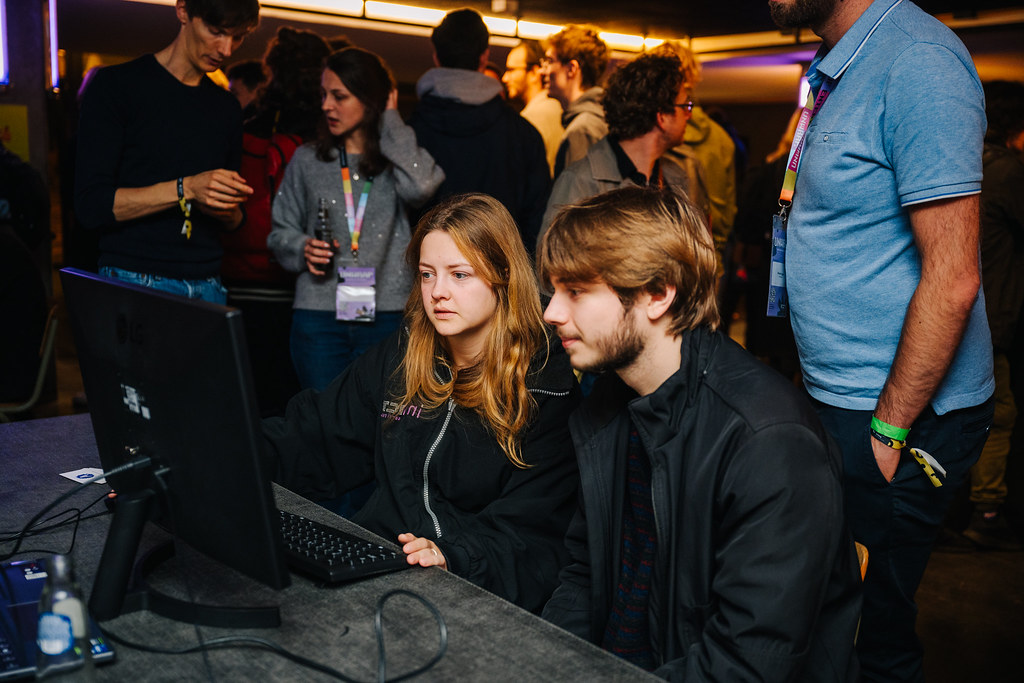
A case study from Howest University, where Game Development students build NES games from scratch using 6502 assembly - not to ship NES titles, but as an educational tool to develop a systems-level mental model of how computers actually work. Covers course structure, peer teaching, and early outcomes.


The 'F*ck Dailies' Philosophy: discover how eliminating management layers, killing unnecessary meetings, and giving artists absolute creative freedom leads to actual, massive success.

I am going to talk to the participants, answering their questions, about Art Direction, artistic pipelines in games development and the role of the artist in the games development studio.

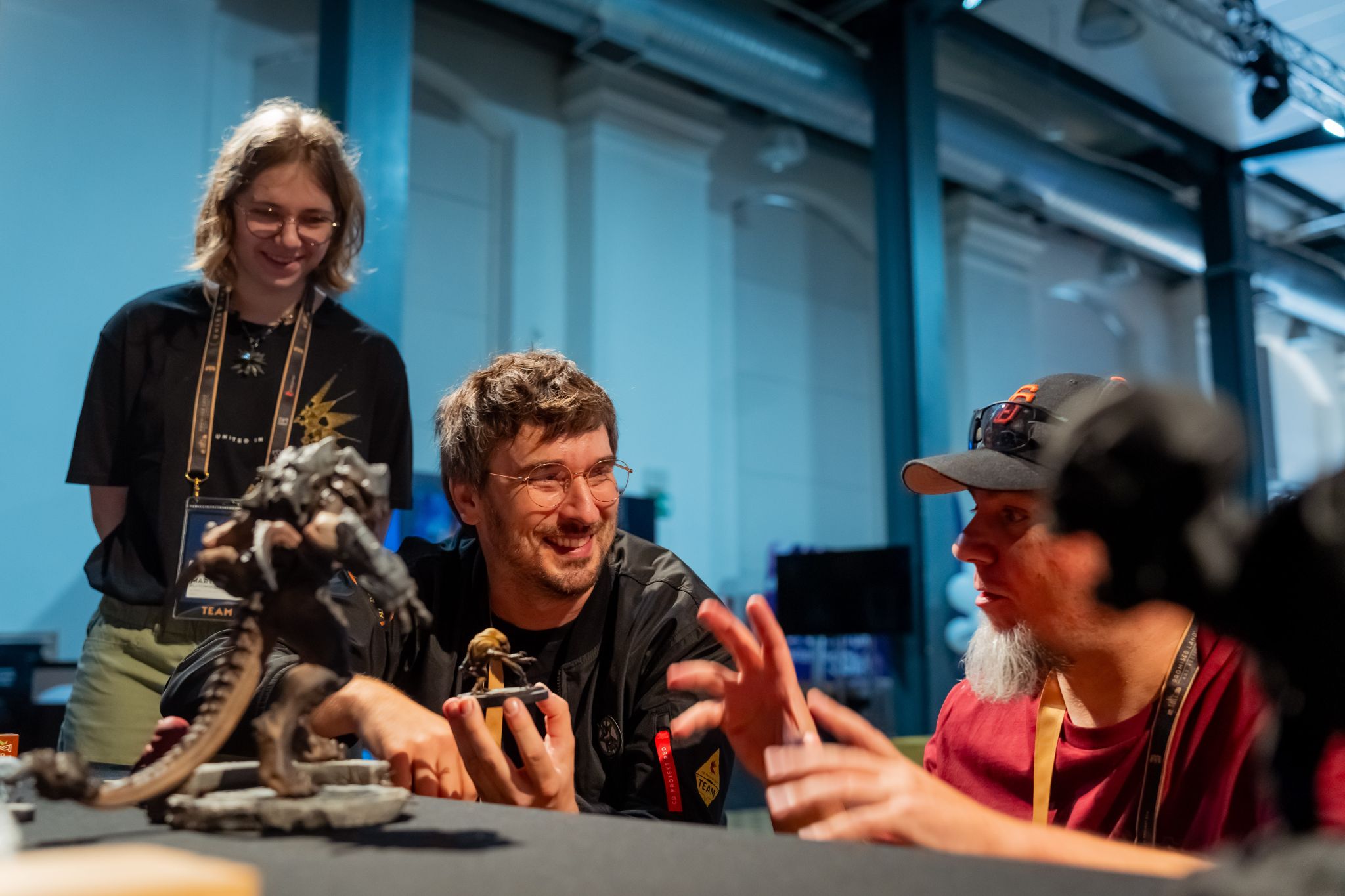
You've been warned - this is gonna be super boring! But the math behind your deal is critical to determine whether you truly have a hot opportunity to fund, or a dud that publishers and investors will quickly pass on. This session helps you understand how funders assess the economics of a pitch, and the difference in ROI expectations between project investors and studio investors, plus methods for determining the commercial potential of your game.


Instead of using expensive, proprietary or hosted version control systems, you can leverage mature, feature-rich open source alternatives. This talk sets up and explores Gitea - support for large binary files (Git LFS), CI/CD actions compatible with GitHub Actions, and robust project management tools - everything needed to manage complex software projects while taking back control of one of your venture's most important assets.

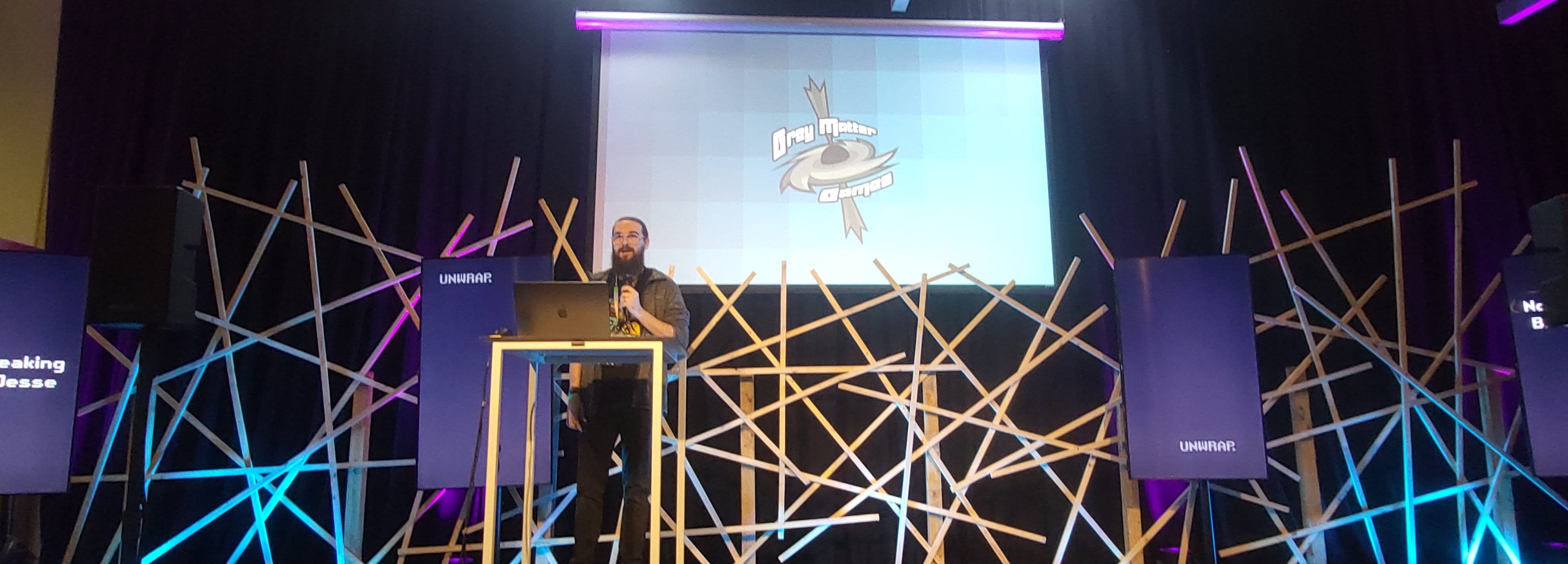

An inside look at the creation of K3's presence on Roblox: the strategic choices, development process and early results. What works when bringing an entertainment brand into a gaming platform.

.png)
For independent artists and label teams drowning in platforms, content demands and endless must-do tactics: most overwhelm comes down to context - how much your team and tools actually know about your artist. This workshop shows how to build that context layer yourself and turn recurring campaign work into reusable playbooks. Attendees leave with a brief template, playbooks, and a live demo built in real time.
.png)

An introduction to a language server / VS Code extension for shader programming, aimed at game developers or others who need to write shaders for their media projects.

.png)
Marijn presents the most relevant game-related trends from the Future Media Hubs Trend Report, based on insights from media organizations across Europe, highlighting how games, interactivity and engagement are reshaping the media landscape and audience experiences.

Indie Island builds concerts inside game worlds, as a stage alongside the existing venue. In the US, concerts like this have already shown real impact. Thunderboom Records is exploring with venues and artists how that development can serve the Dutch working practice, and whether building such a concert can become more accessible. We do this through a series of live shows, made together with artists and venues. All results and templates are shared open-source. This talk looks at what that actually delivers for venues and artists, and what it takes to do it yourself.

Mateo Covic, a 23-year-old solo game developer, created Paddle Paddle Paddle in just four months, from idea to Steam launch. The game sold over 250,000 copies in under a year and became a global hit. He walks through the entire development process and explains why short development cycles and small games can achieve massive impact.
.jpg)
%20-%20ZoroArts%20(1).png)
To entrepreneurs & founders, artists, managements, labels or even researchers, the funding landscape for innovation often resembles a dense jungle. With the arrival of ENT.A, Flanders now has a strong funding instrument dedicated to tech and innovation in entertainment, but some music industry stakeholders don't fully grasp its potential. And when it comes to investments or venture capital, there still seems to be a mutual lack of understanding as to what investors are actually looking for, or how this complex entertainment industry is actually working. This leads to a dramatic slowdown in innovation and opportunities being missed. We talk about how to turn this around with innovation funds, investors and founders. This panel is not only interesting for music tech entrepreneurs, but equally so for labels, artists and their management teams struggling to navigate the funding jungle.


As the worlds of music and creative technology become more and more intertwined, we might need to rethink how we educate future professionals in these fields. Game development students struggle to find a first job in a difficult market, aspiring musicians need to navigate an ever more complex industry, artist management graduates need to be up to speed with rapid developments in their field and creative tech students must be made aware of opportunities in various entertainment domains. How can we break down the silos of different study programmes and make sure that students' skillsets can be applied in other fields? What skillsets does the entertainment industry need and what is currently lacking in education? And ultimately: how do we train young professionals for the entertainment industry of tomorrow? This panel speaks to graduates looking to broaden their horizons, but also to artists & music industry professionals on the lookout for new skills or companies aiming to hire versatile new professionals.

What can the music sector learn from performing arts in terms of tech and innovation? Many household names in the (performing) arts sector are standard-bearers of innovation, not only when it comes to live performances or technology on stage, but also in the creative process or even in backoffice tasks. Experiments with AI in writing plays, mixed reality on stage, dancers performing with their 3D avatars or gaming festivals in historic theatres: the performing arts fully embrace new technologies at a rapid pace. What is the main purpose of these initiatives and what are the major takeaways? How do traditional audiences respond, and do these experiments attract new audiences? And how do you incorporate this when applying for government grants or other types of funding? Various thought leaders from the performing arts sector will share their findings, aiming at inspiring music sector professionals and encouraging them to embrace innovation just like they did.
%20-%20Veerle.png)
After crawling 187 million Steam reviews and 1.1 million forum posts: the people who write reviews on Steam are already in your forums, most just haven't written one for you yet. A hundred reviews at the right percentage can hit 'Overwhelmingly Positive' - across indie titles, 62% of forum posters are serial Steam reviewers (vs. 13% Steam-wide). This talk covers how to find them, what to post on your forum, and the weekly workflow that compounds reviews.

Bevy is a free, open source game engine written in Rust, built so nothing is a privileged 'core' - engine code, your code, and every third-party plugin are the same kind of composable piece. Open source means you're never stuck waiting on a vendor; open core means you use only what you need. Real applications include commercial games, desktop apps and tools, live visuals/VJ sets, and creative-coding frameworks being rebuilt on Bevy.

.png)


